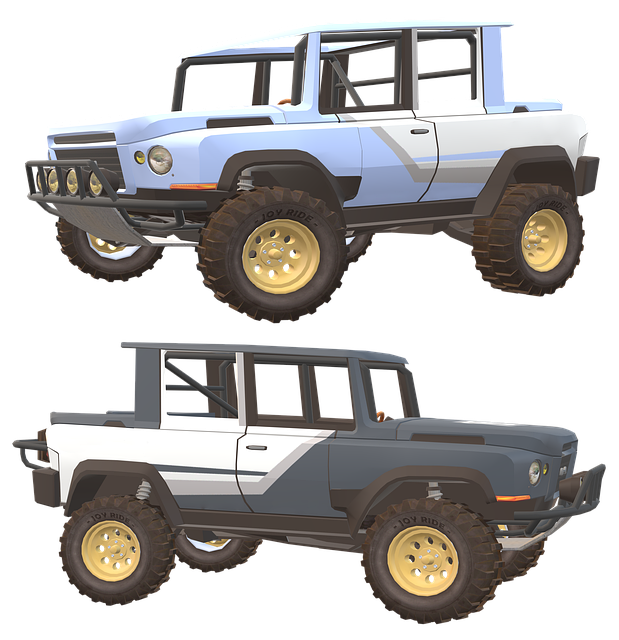
In the quest for optimal truck performance, evaluation and diagnostic services near Brownsville play a pivotal role. This article delves into the latest innovations in truck suspension systems, highlighting how specialized expertise can identify issues, enhance safety, and extend the lifespan of your vehicle. We explore advanced diagnostic tools, common suspension problems, and the transformative impact of tailored solutions.
Evaluation and Diagnostic Services Near Brownsville: Unlocking Truck Performance Potential
Introduction to the Importance of Suspension Systems
A truck’s suspension system is a complex network of components designed to ensure a smooth ride, optimize vehicle handling, and maintain tire contact with the road surface. It plays a critical role in safety, stability, and overall performance, especially for vehicles navigating challenging terrain or carrying heavy loads. When it comes to evaluation and diagnostic services near Brownsville, specialized technicians are equipped to address even the most intricate suspension concerns.
The Role of Advanced Diagnostic Tools
In the modern automotive landscape, advanced diagnostic tools have revolutionized how mechanics approach vehicle inspection and repair. These tools enable precise identification of issues within a truck’s suspension system:
-
Computerized Onboard Diagnostics (OBD): Modern trucks are equipped with OBD systems that generate data on various parameters, including suspension performance. Specialized software interprets this data, providing insights into potential problems.
-
Advanced Scanning Tools: Handheld devices and scan tools allow technicians to access real-time data from sensors, accelerometers, and gyroscopes within the suspension system, aiding in accurate troubleshooting.
-
Visual Inspection with High-Tech Cameras: High-resolution cameras equipped with 3D imaging capabilities capture detailed suspension components, helping identify worn parts or misalignments not visible to the naked eye.
Common Suspension Issues and Their Impact
Understanding typical suspension problems is essential for anyone seeking evaluation and diagnostic services near Brownsville. Early detection and resolution of these issues can prevent more severe damage and ensure optimal vehicle performance:
-
Spring and Shock Absorber Wear: Over time, springs and shock absorbers depreciate, leading to reduced ride quality and handling. This wear can cause uneven tire wear and increased body roll during cornering.
-
Misaligned Wheels and Axles: Improper wheel alignment can result in uneven tire tear, increased noise while driving, and reduced fuel efficiency. It also affects vehicle tracking and may lead to early suspension component failure.
-
Strut and Control Arm Damage: Struts and control arms are vulnerable to damage from road hazards like potholes or curbs. Failure in these components can cause severe handling issues and even loss of control.
-
Uneven Tire Wear: Irregular tire wear patterns often indicate suspension problems, such as wheel misalignment or worn bushings, which need professional attention.
Innovations in Truck Suspension System Diagnostics
The field of truck suspension diagnostics is constantly evolving, driven by advancements in technology and a growing demand for efficient, effective solutions. Here are some notable innovations:
1. Remote Diagnostic Services
With the rise of telemedicine, remote diagnostic services have gained popularity. This approach allows owners to connect their trucks to specialized systems over the internet, enabling real-time data sharing with certified mechanics. Remote diagnostics offer several benefits:
- Convenience: Owners can access expert advice and guidance without physically visiting a service center.
- Rapid Issue Identification: Mechanics can remotely diagnose problems, saving time and resources.
- Proactive Maintenance: Regular remote checks can help identify potential issues before they become costly repairs.
2. AI and Machine Learning in Suspension Analysis
Artificial Intelligence (AI) and machine learning algorithms are transforming diagnostic procedures:
- Predictive Modeling: AI models analyze historical data to predict component failures, allowing proactive maintenance schedules.
- Automated Data Interpretation: These technologies interpret complex suspension sensor data, identifying anomalies that might escape human detection.
- Personalized Recommendations: Based on vehicle specifics and usage patterns, AI can suggest tailored suspension upgrades or repairs.
3. Advanced Material Science in Suspension Components
Engineers are continually developing advanced materials to enhance suspension performance and durability:
- Composite Materials: Lightweight composite suspensions offer improved strength-to-weight ratios, reducing vehicle load and enhancing fuel efficiency.
- Adaptive Damping Systems: These systems adjust damping rates in real time based on road conditions, providing enhanced control and comfort.
- Self-Healing Materials: Researchers are exploring materials that can repair minor cracks or damage autonomously, extending component lifespans.
Comprehensive Evaluation and Diagnostic Services: A Step-by-Step Process
Initial Assessment and Customer Consultation
The journey toward optimal truck suspension begins with a detailed consultation between the vehicle owner and a qualified technician. During this stage:
- Vehicle History Review: Understanding the truck’s service history, driving patterns, and any recent incidents aids in identifying potential issues.
- Symptom Discussion: Owners describe handling concerns, noises, or unusual behavior to help pinpoint problem areas.
- Visual Inspection: Technicians conduct a preliminary visual check for obvious signs of damage or wear.
Advanced Diagnostic Testing
Once the initial assessment identifies potential suspension problems, advanced diagnostic procedures are employed:
- OBD Scans: Using specialized software, technicians retrieve data from the vehicle’s computer system to identify error codes and performance anomalies.
- Sensor and Actuator Testing: Various sensors and actuators within the suspension system are tested for functionality and accuracy.
- Computerized Alignment Scans: Advanced alignment systems measure wheel and tire positioning, identifying misalignments or wear patterns.
- 3D Camera Analysis: High-resolution 3D imaging reveals detailed component conditions, aiding in identifying worn parts or structural damage.
Suspension Component Inspection and Analysis
With diagnostic data in hand, technicians delve deeper into the suspension system:
- Spring and Shock Absorber Assessment: The condition of springs and shock absorbers is evaluated for wear, corrosion, or damage.
- Strut and Control Arm Examination: Struts and control arms are inspected for cracks, wear, or misalignment, ensuring structural integrity.
- Bushings and Bearings Check: These critical components, responsible for smooth movement, are checked for excessive wear or damage.
- Linkage and Mounting Hardware Inspection: All suspension linkages and mounting hardware are visually examined for loose connections, corrosion, or breakage.
Reporting and Recommendation Generation
After a thorough inspection, technicians prepare a detailed report outlining findings and recommendations:
- Problem List: A clear list of identified suspension issues is provided, along with descriptions and potential causes.
- Prioritization: Issues are prioritized based on severity, safety concerns, and potential impact on vehicle performance.
- Cost Estimates: Repair or replacement costs for each recommended service are estimated, offering transparency to the customer.
- Tailored Solutions: Personalized suggestions for upgrades or replacements are offered, considering budget and driving needs.
Frequently Asked Questions (FAQs)
How often should I get my truck’s suspension system evaluated?
Regular evaluation is crucial, especially if your truck is subjected to rough terrain or frequent heavy loading. As a general guideline, consider getting a basic suspension check every 10,000 to 15,000 miles or annually, whichever comes first. More frequent inspections are recommended for vehicles with high mileage or demanding usage patterns.
What tools do technicians use for diagnostic services?
Modern diagnostic tools include specialized software, handheld scanners, and advanced cameras. These enable technicians to access vehicle data, perform computer-aided diagnostics, and capture detailed images of suspension components for accurate analysis.
Can remote diagnostics replace an on-site inspection?
While remote diagnostics offer convenience and rapid issue identification, they may not always provide the same level of detail as an on-site inspection. Complex suspension issues might require hands-on assessment and specialized equipment not available remotely. However, remote services are excellent for initial problem identification and proactive maintenance.
How do I know if my truck needs a complete suspension overhaul?
Several signs indicate that your truck may need a comprehensive suspension overhaul:
- Severe Ride Quality Issues: Uncontrollable bouncing, excessive swaying, or uneven tire wear suggest significant suspension problems.
- Handling and Cornering Concerns: If your truck exhibits poor handling, increased body roll, or unstable cornering, the suspension should be thoroughly evaluated.
- Steering Problems: Difficulties in steering or a feeling of instability while driving at high speeds may point to suspension issues.
- Visual Evidence: Inspect your truck for obvious signs of damage, such as bent components, broken springs, or misaligned wheels.
Are there any tips I can use to maintain my truck’s suspension system?
Absolutely! Here are some proactive maintenance tips:
- Regular Inspection: Even if your truck shows no immediate issues, periodic inspections can catch problems early.
- Maintain Proper Inflation: Keep tire pressure at the recommended levels for optimal performance and wear prevention.
- Avoid Harsh Driving Habits: Aggressive driving, sudden stops, and sharp cornering can accelerate suspension wear.
- Monitor Load Capacity: Ensure your truck is not overloaded, as this adds excessive strain on the suspension.
Conclusion:
In the pursuit of exceptional vehicle performance and safety, evaluation and diagnostic services near Brownsville play a pivotal role in maintaining and optimizing your truck’s suspension system. With advanced diagnostic tools, a deep understanding of suspension dynamics, and innovative technologies, technicians can identify even the subtlest issues. By embracing these modern solutions, truck owners can extend the lifespan of their vehicles, enhance safety, and enjoy improved handling and ride quality. Remember, proactive maintenance is key to keeping your truck running smoothly on the road ahead.